From Page to Performance: Inside the Save the Cat!® Screenplay Challenge Table Read

Jason Kolinsky
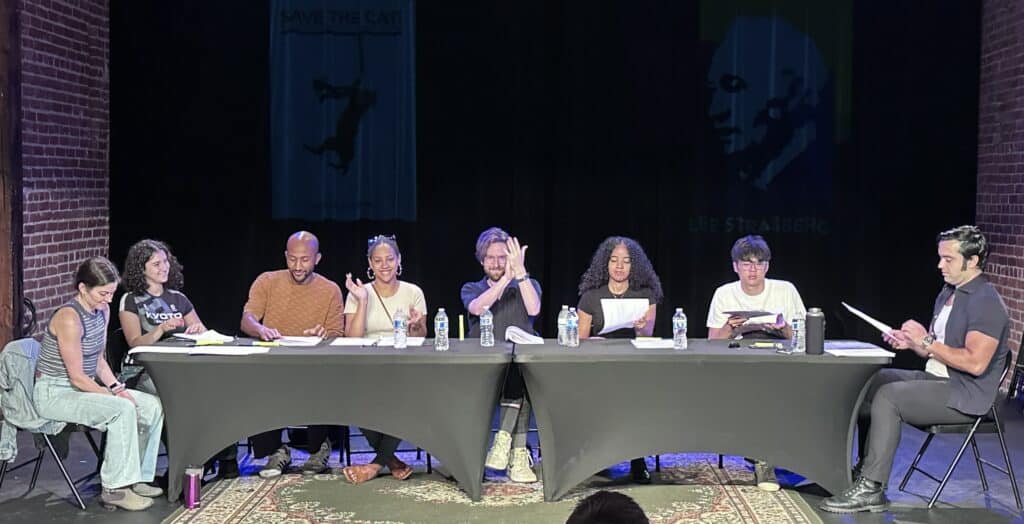
One of the most touching parts of the Save the Cat! Screenplay Challenge is watching our writers’ eyes light up as trained actors bring their stories to life.
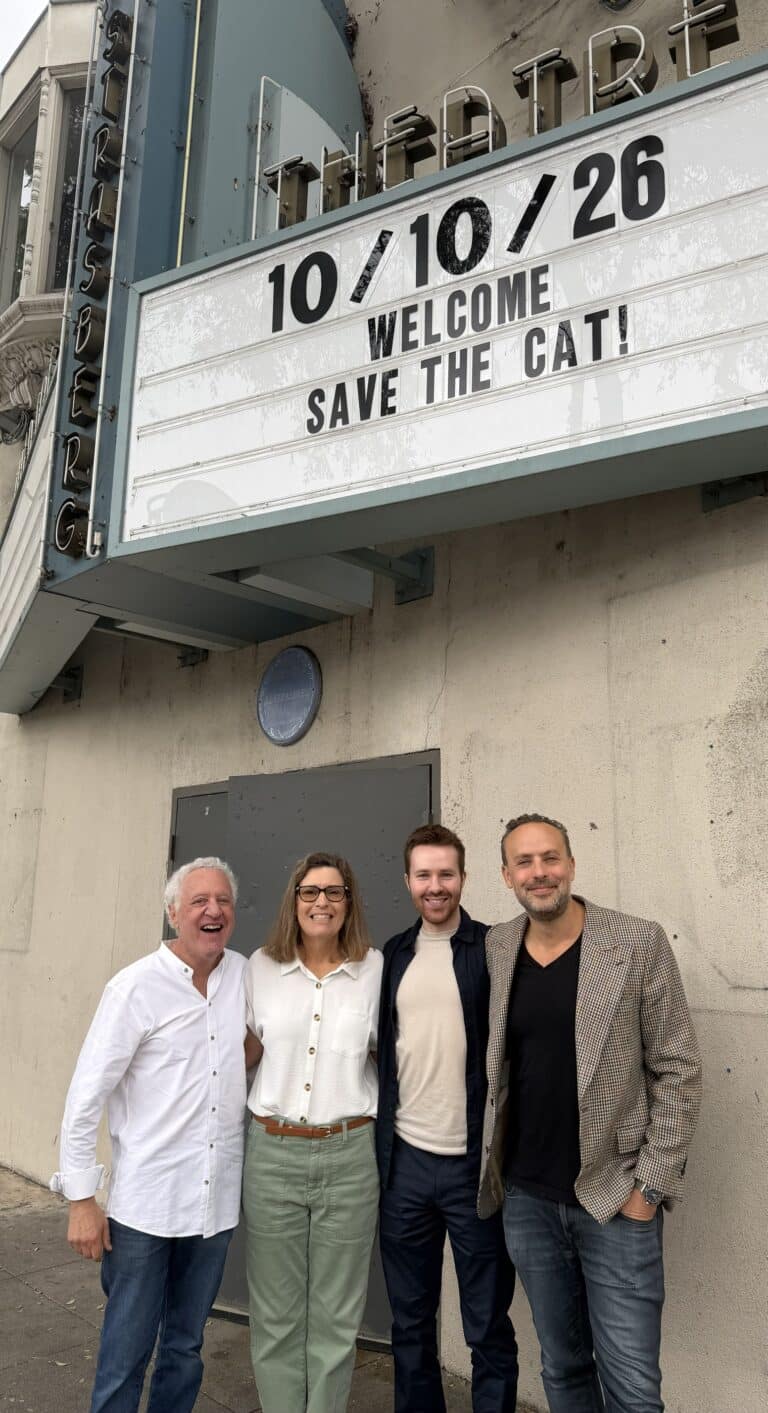
This fall, we gathered at the Lee Strasberg Theatre & Film Institute in Los Angeles for our Grand Prize table read. It’s an opportunity to celebrate our winners, hear their work performed, and share a moment that means a great deal to everyone involved.
For me, what makes the experience special is watching a project gain momentum right in front of us. A story that a writer has spent months working on suddenly has people speaking its dialogue, stepping into its characters, and responding to its world. You can feel the possibilities opening up.
The read celebrates how far the screenplay has come. Sitting in that room, it also feels like the start of what it could become.
Celebrating Our 2026 Screenplay Challenge Winners
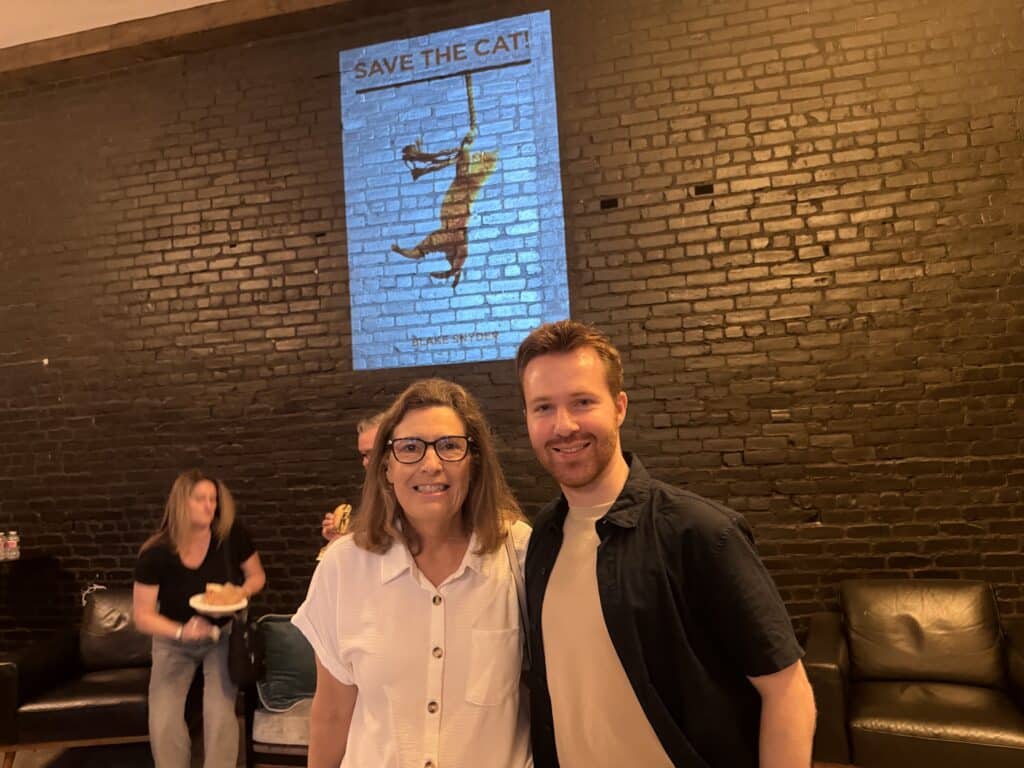
Our 2026 Feature Grand Prize went to Griffin Henry Sloan and Melissa Anderson for Midnight Sun. Griffin and Melissa are a mother-and-son writing team based in New York City, with experiences across Los Angeles, Montreal, and New York informing their work.
Our 2026 TV Pilot Grand Prize went to Allison M. Gibson for Promised Land. Allison created and executive produced Reba, with additional television credits including Home Improvement, Boy Meets World, and Awkward.
That range of experience is something I appreciate about our Challenge community. We receive work from emerging screenwriters and established professionals, all of whom have committed to developing a story and putting it forward.
Congratulations to Griffin, Melissa, and Allison, and to our finalists and every writer who entered. Finishing a screenplay takes discipline. Sharing it takes courage. We’re grateful for the opportunity to read your work.
What Trained Actors Bring to a Screenplay
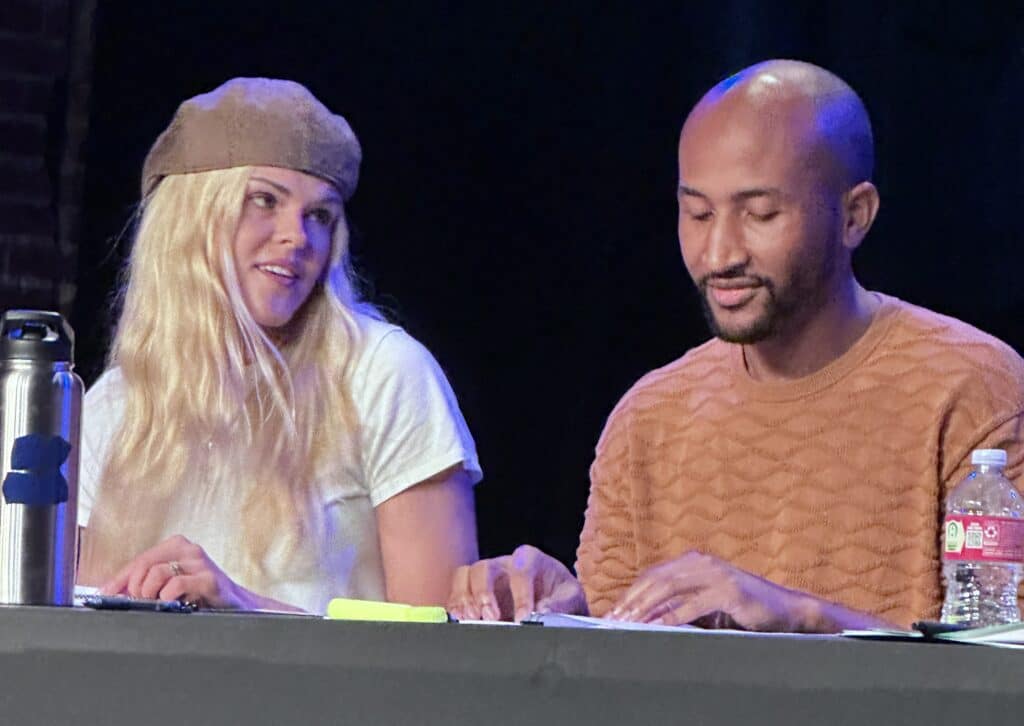
There’s nothing quite like hearing trained actors bring a story to life. A character’s voice, the rhythm of an exchange, the feeling behind a line: these are things a writer has considered over and over. Then an actor makes a choice, and there’s something new to hear.
A pause can give a line a different meaning. A moment of humor can emerge where the writer hadn’t expected it. An exchange can reveal more about a relationship than either character says out loud.
That’s part of what makes a table read valuable. It gives writers another way into their own work, with collaborators who bring their attention, instincts, and training to the page.
Thank you to the Lee Strasberg Theatre & Film Institute and the actors who helped make this experience possible. The care you bring to these stories means a great deal to us and to the writers who created them.
Hear Your Own Story Differently
A screenplay table read is a read-through with participants speaking the characters’ dialogue and a reader typically handling the action and scene descriptions. It’s also something writers can organize for themselves.
Gather a few friends or members of your writing group, assign the roles, and choose a sequence you’d like to hear. Give everyone enough context to begin, then let the pages do their work.
As you listen, consider whether the characters have distinct voices, whether the conversation moves the scene forward, and whether the emotion you intended comes through. Make notes without interrupting to explain. There will be time for that afterward.
Ask the readers where they felt connected, where they became confused, and what they wanted to know next. Their answers can help you see how the pieces are fitting together and where your next draft needs attention.
Take the Save the Cat!® Screenplay Challenge
The table read is one of the ways we help our winning writers take their stories forward. Every eligible entrant also receives something they can use to keep developing their work.
Each screenplay gets a full read by an experienced Save the Cat! Master Cat reader and 50 Points of Analysis at no additional cost. No AI is used in judging or analysis.
That matters to us. Writers put real time, thought, and feeling into their screenplays. Our readers give those stories their attention, with feedback grounded in the Save the Cat! method to help writers understand what’s working and where to focus their next rewrite.
The 2027 Save the Cat! Screenplay Challenge is accepting feature screenplays and original TV pilots. Top 5 finalists receive meetings with industry judges and a 12-month Save the Cat! software subscription. Grand Prize winners also receive a live table read at the Lee Strasberg Theatre & Film Institute, flight and hotel support for Los Angeles, and a Producers Badge to Austin Film Festival.
I look forward to seeing another group of writers hear their stories come to life. For now, we’d love the opportunity to read yours.
2027 Challenge Earlybird Deadline: November 16, 2026
Share this article:




Similar Articles




Subscribe to Save the Cat! Newsletter