

This school year, my Sophomore Creative Writing class at Townsend Harris High School in Flushing, NY, drew on techniques from the Save the Cat! catalog to draft, revise, and publish both short fiction and short historical fiction stories.
I was inspired to integrate these techniques into the curriculum by meetings my colleagues and I had with STC’s Jason Kolinsky last school year when we were establishing our new writing curriculum.
A little background: As part of our newly established Writers Academy, which features journalism, drama, and creative writing tracks, I teach creative writing to Sophomores and Seniors and also help run our in-house independent publishing imprint, The Starling Press. We publish our students’ writing they produce for class as well as work they create independently and for competitions.
Our mission is to highlight the diversity of voices that make up our student body, which is the embodiment of the tagline of Queens, “The World’s Borough.”
My students and their families come from almost every continent in the world, speak over 100 home languages, and represent nearly every ethnicity and religion you could think of. We created The Starling Press, and the Writers Academy program, to help celebrate this myriad of riches of experiences and viewpoints.
What this looked like in practicality was integrating Save the Cat!® Writes a Novel by Jessica Brody and the Save the Cat!® Beat Sheet Workbook into my curriculum to teach characterization and development as well as plot pacing.
For the first short story assignment, students had to write a story that showed a character growing over the course of the narrative and making a discovery, either about themselves or the world at large.
To teach this skill, we had students begin by developing a character using exercises from the Workbook to think about who a character is, how they would describe themselves, how others would describe them, what their daily schedule is like, if they’re a hero or a villain, etc.
We also read the chapter “Why Do We Care? Creating the Story Worthy Hero” in Save the Cat! Writes a Novel and used these ideas to help students understand the importance of not just telling details about a character, but how to show traits of a character in a way that draws in your audience and allows them to uncover the truth of them for themselves. We also mapped these ideas on to our analytical study of characterization in Jane Austen’s Emma.
For our historical writing assignment, students were asked to research real life historical events of their choosing and adapt them into engaging short stories with an emphasis less on character development and more on plot. For this assignment, we reviewed the beat sheet and used the 15 beats to outline their short stories, breaking down the key moments of the historical event and how their story’s plot could both follow and build off them to create an engaging, accurate and well-written story.
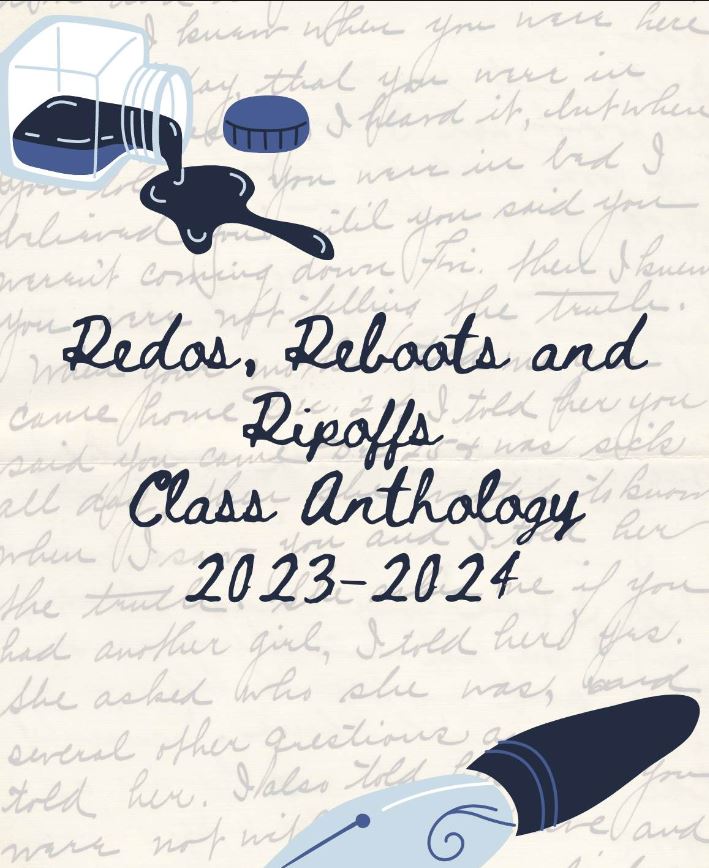
For both of these assignments, the kids found the Workbook and the breaking down of the beats very beneficial to their writing and produced incredibly engrossing stories, which is evident from the work featured in the anthology of their writing I published through The Starling Press.
I also used the Workbook and excerpts from Save the Cat! Writes a Novel with a selection of Seniors who were embarking on an independent creative writing project based on the idea of heroes and antiheroes. They conducted in-depth studies in small groups based around either a type of writing like drama or poetry, or a genre. The students this year chose drama, magical realism, and fantasy to focus on. After analyzing texts they chose in these genres, they picked out key elements to include in their own works and then wrote their own plays or short stories, which I then compiled and published in a collection at the end of the semester as well.
I am incredibly proud of all the work that these students produced, many of whom have learning disabilities and struggle with academic English, but who took to this project like ducks in water. Their success is due, in part, to the Save the Cat! techniques they were taught.
If you are interested in seeing the writing my students produced, please check out our book store at thestarlingpress.com.