

Earlier this year, cinema lost one of its greatest filmmakers, the pop-surrealist and American original, David Lynch.
Lynch was the reason I became a filmmaker.
My passion for his work was born during the original run of Twin Peaks, which was created by David Lynch and Mark Frost, when I happened to watch one of the handful of episodes directed by Lynch. It was 1990 and I was 11 years old. I had watched a lot of movies and seen plenty of television, but that moment marked the first time I recognized a creative mind behind the screen, someone who was in deft control of my emotions. What I was watching awakened feelings I couldn’t quite articulate, but that I knew were significant. It was at this point I realized I wanted to learn how to do whatever he was doing.

I attended the American Film Institute in the mid-aughts—because it was the school where Lynch made Eraserhead over the course of five years using the short ends left over from other students’ films and subsisting on potatoes he grew on the windowsills of its horse stables—and I’ve been making films steadily since.
This year marks the 35th anniversary of Twin Peaks and had the show not existed, my passion for visual storytelling may not exist—or exist with such vigor—and television as we know it today may not exist either. There would be no Severance, no Lost, no Sopranos.
The uniqueness of Twin Peaks has driven a generation of storytellers to embrace the enigma of their characters and the lives they lead, rather than relying solely on surface plot machinations.
According to Lynch, this approach is more accurate to what life is really like: “I don’t know why people expect art to make sense when they accept the fact that life doesn’t make sense.”
We see the world through stories and that has been essential to our survival as a species. Storytellers are searchers, detectives, and their consumers—the people reading or watching—are invited on the journey as vicarious partners in their investigations. Stories allow us to view ourselves from the outside in. Stories are parables, using metaphor to lend structure to our lives. This is the reason that stories are the basis of all ancient myths and religions.
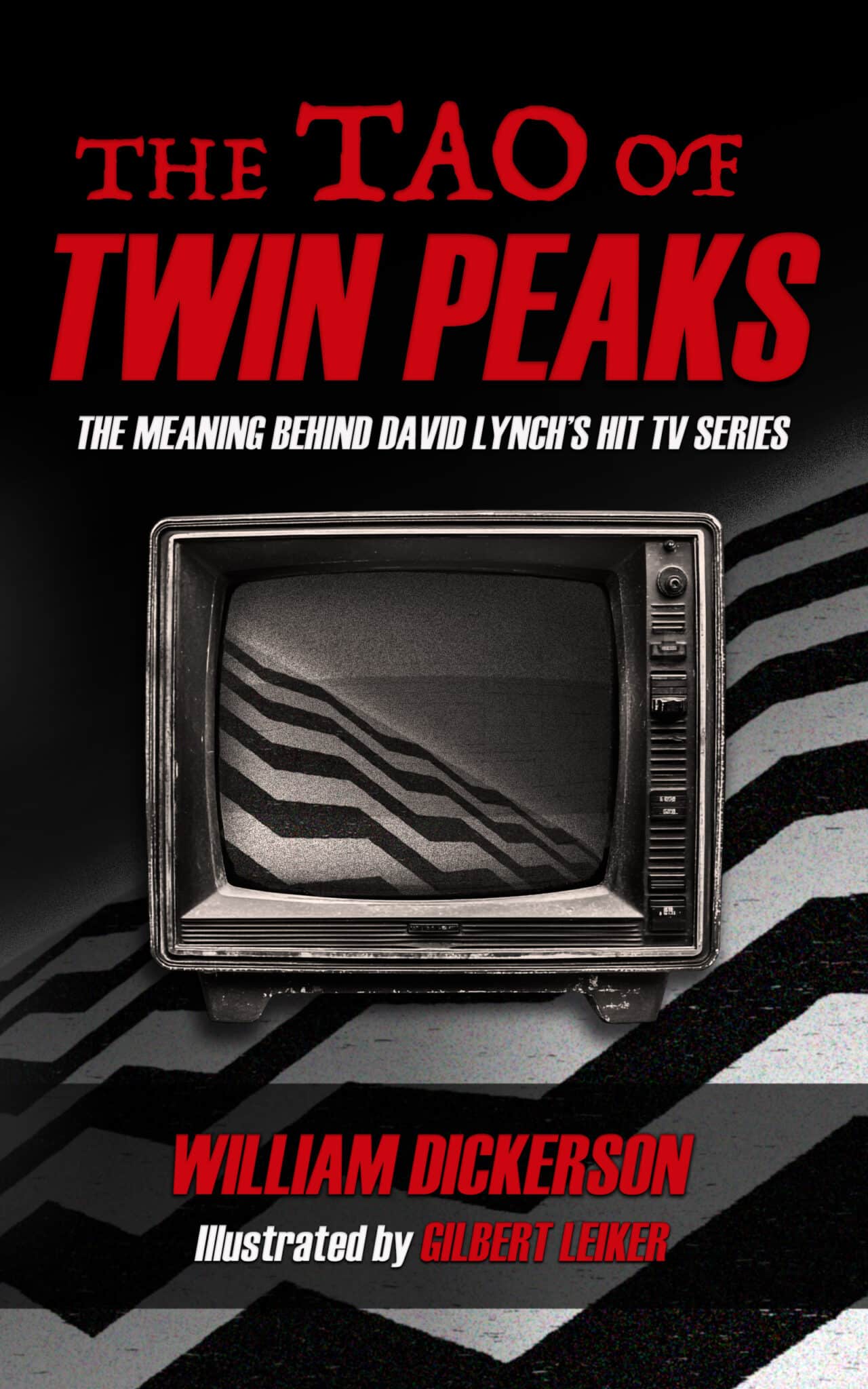
The story of Twin Peaks utilizes mythological and religious symbolism; however, its story plays out visually on the screen—its impact is visceral, immediate, and contemporary. Is Twin Peaks a cult-like phenomenon… or a mystery that needs to be solved…or simply the fever dream of its eccentric co-creator? No other show in the history of television has sparked so many questions. That is why I set out to write a book, The Tao of Twin Peaks, that pursues answers for those who seek to understand this surreal, multilayered, and metafictional story.
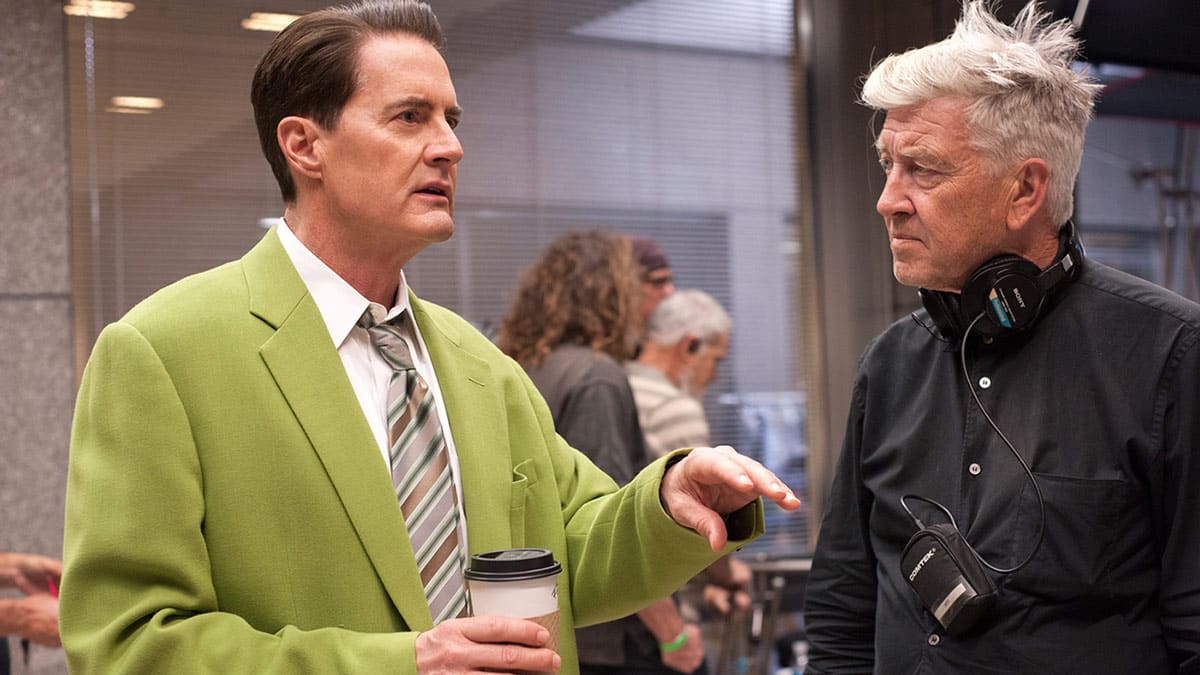
While David Lynch is often associated with a particular style—an uncanny type of surrealism with expressionistic leanings that we now refer to as “Lynchian”—it is through the themes he explores that we can understand his work the most.
Theme was so important to Lynch that he typically conveyed it in the very first images of his films and shows. For instance, as Don Roff pointed out in his beat sheet analysis of Blue Velvet, when Lynch’s camera descends below the picture-perfect surface of the suburbs and into the dark morass of the dirt, he is stating his theme: “darkness lurks beneath innocence.”
The clearer the theme is in Lynch’s work—or any filmmaker’s work—the easier it is to follow the story into uncharted plot territories while maintaining a steady interest. Theme is, essentially, the lighthouse in Lynch’s narrative storms.
Before a filmmaker considers style, they must consider theme, because it’s the theme that ultimately dictates the style. The theme is the universal idea that threads its way through a movie, the glue that adheres one scene to the next and then to the next. Therefore, identifying theme before you begin making your film is critical; it’s perhaps the most important thing a filmmaker can do in pre-production.
When someone asks, “What is your film about?” you’re likely to respond with the logline. When you as the filmmaker ask yourself that same question, your response should be the theme. The theme of your film is not the plot (often summarized in the logline), but rather the idea that drives the plot. It’s what the viewer relates to emotionally, and that’s the key to capturing their attention. It’s certainly the fundamental reason I am drawn to Lynch’s work, particularly in the case of Twin Peaks.
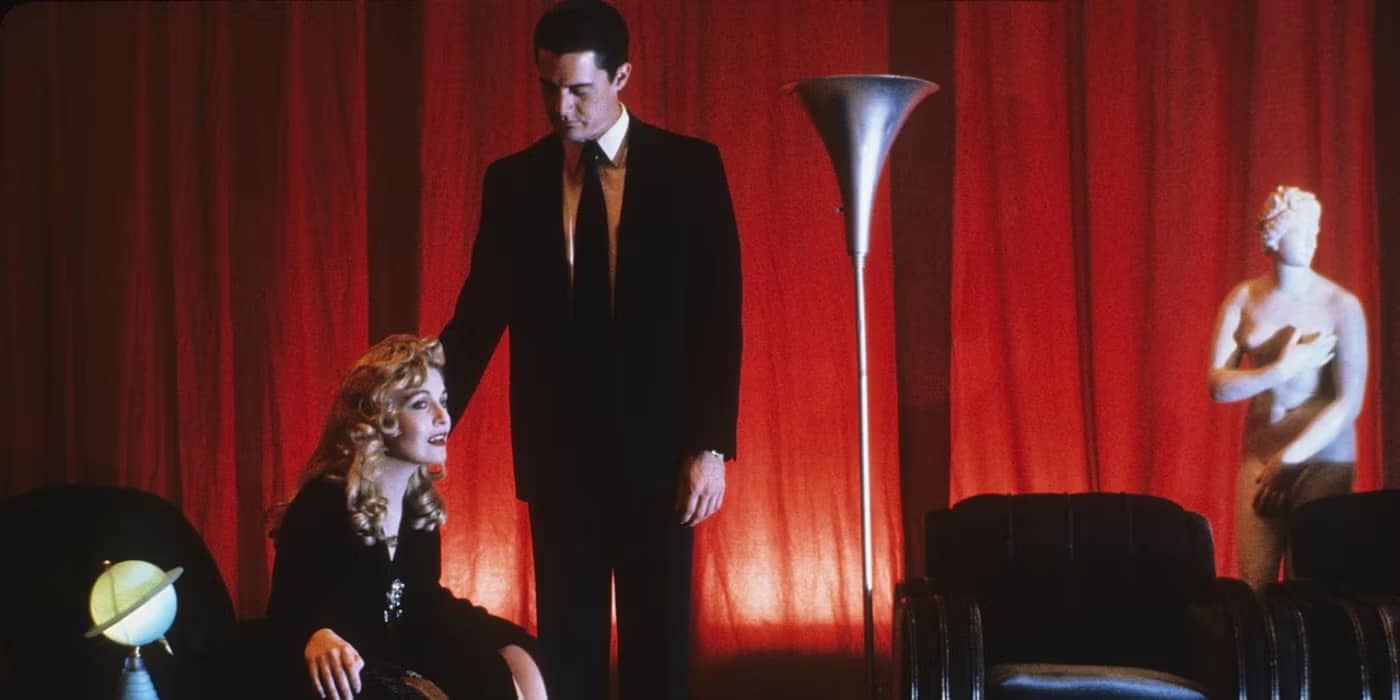
Twin Peaks remains incredibly popular and such popularity merits concentrated investigations into its mystery, including why and, subsequently, how it endures.
“Life is filled with abstractions,” David Lynch often remarked, and I believe the path toward understanding these abstractions is through his fundamental theme: the balance of opposites.
This theme is the cornerstone of Twin Peaks and it’s not until we examine its design—the symbols, motifs, allusions, metaphors—that we can truly begin to understand its meaning. The Tao of Twin Peaks is a comprehensive examination of the show, in all its forms, that will steer you down the road toward solving its enigmas and, hopefully, deepen your appreciation of future viewings along the way.
Lynch provided us the pieces to his puzzles; however, he encouraged us to put them together ourselves. There is no Lynch work that exists without the active participation of his audience, and it is this synergy that makes his work so meaningful to so many.
Personally, I’ve been able to use Twin Peaks as a lens through which to view my life and help me understand it over the years. I believe the richness of Lynch’s world has much to offer others who are also looking to view life from a different angle. The one-of-a-kind perspective that David Lynch provides through his meticulous craft is unlike any that cinema or television has offered before, or will likely offer again, and it’s worth the look.
Here’s the trailer for The Tao of Twin Peaks: